
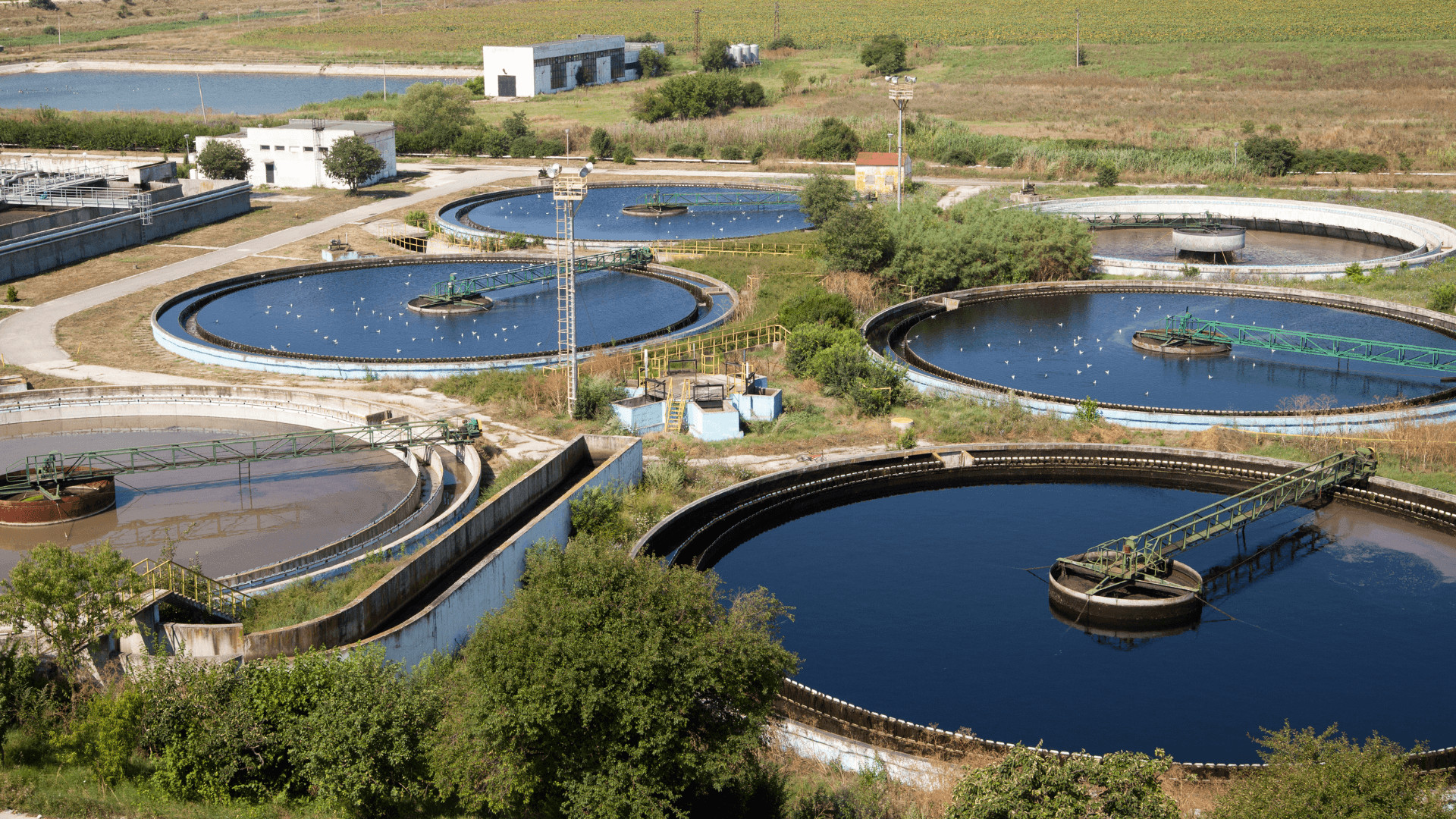
In the space of a few decades, water has become a strategic resource. With recurring droughts, demographic pressure and growing industrial and agricultural needs, the issue of water management is no longer about supply but increasingly about reuse. The reuse of treated wastewater (REUT) is now one of the key pillars of the ecological transition. And at the heart of this paradigm shift, automatic filtration plays a discreet yet truly central role.
A rapidly evolving regulatory framework
Long confined to a few pilot schemes, REUT now benefits from a regulatory framework that encourages its large-scale development. In France, the decree of 10 March 2022 paved the way for wider reuse of treated wastewater in numerous sectors, notably for agricultural irrigation, watering of green spaces, street cleaning and industrial cooling.
At European level, Regulation (EU) 2020/741 introduced minimum quality requirements for water reused for agricultural purposes, with increasing demands on the microbiological and physico-chemical quality of the water. These regulations therefore oblige wastewater treatment plant operators and industrialists to overhaul their end-of-process treatment procedures: it is no longer a matter of ensuring that discharged water complies with regulations, but rather of producing water that is usable, reliable and traceable. Filtration thus becomes a mandatory step, not as a precaution, but as a regulatory requirement.
REUT: a driver of a genuine circular water economy
The value of REUT extends far beyond mere compliance. It is part of a circular economy approach where treated water is no longer a waste to be disposed of, but a resource to be utilised.
For a local authority, this may mean supplying non-potable water for the benefit of an urban area’s green spaces, thereby avoiding the need to draw on groundwater or rivers during periods of drought. For an industrial operator, this can make a significant difference in terms of savings on their water bill, whilst also reducing discharges and withdrawals from the natural environment. For a farmer, it means ensuring the continuity of irrigation operations even during periods of restrictions, with water of guaranteed quality.
These are uses that all share the common requirement of consistent and reliable water quality. It is essential to exclude from the reused water circuit both materials that could damage equipment (drip irrigation systems, heat exchangers, UV lamps, etc.) and those that could compromise the health safety of end uses. This is where filtration comes in.
Automatic filtration, a vital link in the REUT process.
Rainfall, a surge in organic load, or fluctuations in activated sludge are all potential causes of temporary deterioration in effluent quality within a wastewater treatment plant. To ensure controlled quality that meets the requirements of the end use, a tertiary filtration stage must be implemented. This solution captures residual particles before the water reaches its final destination.
Hectron AG range automatic filters: a proven solution for wastewater reuse
A French specialist in automatic filtration for over twenty years, Hectron offers its AG range, which is particularly well-suited to the constraints of wastewater reuse. What makes these filters suitable for wastewater reuse, however, is their fully autonomous operation, requiring no regular human intervention, with backwashing taking place automatically based on the pressure difference between the filter’s inlet and outlet. Another advantage for wastewater treatment plant managers and water industry professionals is that the water required for backwashing is very low. This is certainly an asset in a process with ambitious water-saving goals.
The AG range covers a wide flow rate range of up to 340 m³/h and can be configured with multiple filtration thresholds, ranging from a few microns to several hundred, depending on the intended end use. This adaptability is then applied on a project-by-project basis, perhaps supplying an irrigation network, protecting heat exchangers or preparing water prior to UV disinfection.
These filters are currently installed in dozens of wastewater treatment plants across France, serving major water sector players such as Veolia, Suez and Degrémont. These references demonstrate their robustness under demanding operating conditions, when handling effluent laden with solids.
Towards more responsible water management
Wastewater reuse is no longer a niche option reserved for pilot projects. It must become standard practice, given the pressure on water resources, increased regulatory requirements and the decarbonisation targets for regions and industries.
Consequently, having reliable, autonomous and cost-effective filtration systems is not a luxury: it is essential to the success of any reuse project. The Hectron AG range of automatic filters was developed precisely to meet this need: they are designed to offer robustness and quiet operation for critical infrastructure such as a wastewater treatment plant.


